

-
- Sale!
- Passports
Passports
- Original price was: £500.00.£400.00Current price is: £400.00.
- Add to cart
-
- Sale!
- Bike licence UK
Bike licence UK
- Original price was: £400.00.£300.00Current price is: £300.00.
- Add to cart
-
- Sale!
- Smsts Certificate
Smsts certificate
- Original price was: £250.00.£200.00Current price is: £200.00.
- Add to cart
-
- Sale!
- Clsrs Cards
Clsrs Cards
- Original price was: £400.00.£300.00Current price is: £300.00.
- Add to cart
-
- Sale!
- Europe Notes
Europe Notes
- Original price was: £400.00.£300.00Current price is: £300.00.
- Add to cart
-
- Sale!
- Provisional license
Provisional licensce
- Original price was: £350.00.£300.00Current price is: £300.00.
- Add to cart
-
- Sale!
- Irish License
Irish License
- Original price was: £600.00.£500.00Current price is: £500.00.
- Add to cart
-
- Sale!
- Npors
Npors Operator
- Original price was: £300.00.£250.00Current price is: £250.00.
- Add to cart
-
- Sale!
- Parking card
Parking card
- Original price was: £250.00.£200.00Current price is: £200.00.
- Add to cart
-
- Sale!
- Operator training certificate
Operator training certificate
- Original price was: £250.00.£200.00Current price is: £200.00.
- Add to cart
-
- Sale!
- Cscs black card
Cscs black card
- Original price was: £600.00.£500.00Current price is: £500.00.
- Add to cart
-
- Sale!
- uk work permit
Uk work permit
- Original price was: £400.00.£300.00Current price is: £300.00.
- Add to cart
-
- Sale!
- NEBOSH Health
NEBOSH Health
- Original price was: £300.00.£200.00Current price is: £200.00.
- Add to cart
-
- Sale!
- Driver Vehicle
Driver Vehicle
- Original price was: £250.00.£200.00Current price is: £200.00.
- Add to cart
-
- Sale!
- Cpcs card
CPCS Card
- Original price was: £400.00.£300.00Current price is: £300.00.
- Add to cart
-
- Sale!
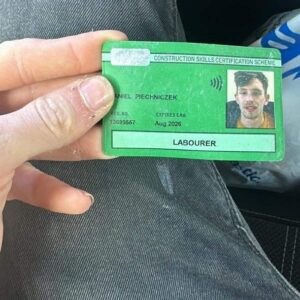
- Cscs Green Labourer
Cscs Green Labourer card
- Original price was: £250.00.£200.00Current price is: £200.00.
- Add to cart
-
- Sale!
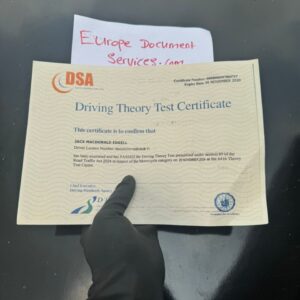
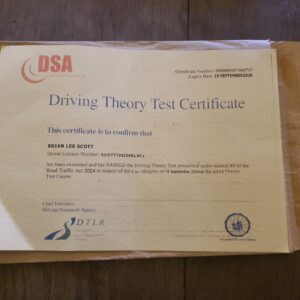
- Driving Theory test certificate
Driving Theory test certificate
- Original price was: £300.00.£200.00Current price is: £200.00.
- Add to cart
-
- Sale!
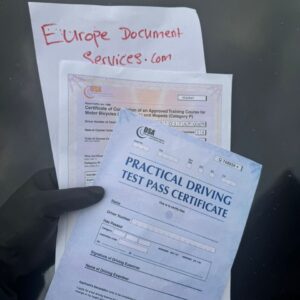
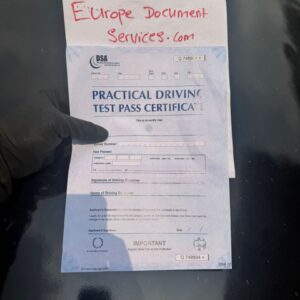
- Practical Driving test pass certificate
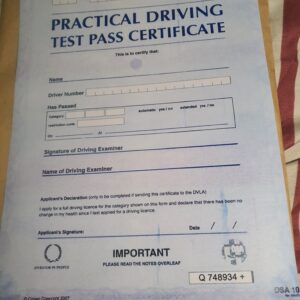
Practical Driving test pass certificate
- Original price was: £300.00.£200.00Current price is: £200.00.
- Add to cart
-
- Sale!
- Prob Notes
Prob Notes
- Original price was: £300.00.£250.00Current price is: £250.00.
- Add to cart
-
- Sale!
- Cscs Gold Card
Cscs Gold Card
- Original price was: £500.00.£400.00Current price is: £400.00.
- Add to cart
-
- Sale!
- UK Driving License
Uk Driving licence
- Original price was: £700.00.£600.00Current price is: £600.00.
- Add to cart
-
- Sale!
- Cscs Blue card
Cscs card
- Original price was: £300.00.£250.00Current price is: £250.00.
- Add to cart






Driving licences
Apply for, renew or update your licence, view or share your driving licence, add new categories
Driving licences UK application DL1 – guidance notes
These notes are designed to help you fill in the Driver & Vehicle Agency (DVA) form DL1 (driving licence application form). You should read all these notes carefully when filling in the DL1 form.
Renew your driving licence
You must apply to renew your licence before it is due to expire. Check the date of expiry of your licence at section 4b of your plastic photocard licence.
The photocard driving licence explained
All driving licences issued by Driver & Vehicle Agency (DVA) are now issued in a new format – a plastic photocard and a paper counterpart. Old format style licences are still valid and will be updated gradually as they are renewed and replaced.
The photo for your driving licence
When you apply for a photocard driving licence in Northern Ireland, in most cases you’ll need to provide a photograph which must follow specific rules. It may also need to be certified (signed) depending on the type of identification that you’re using to apply for your licence.
Applying for a provisional driving licence
Before you learn to drive, you must apply for a provisional driving licence. If you already hold a valid full driving licence and want to add a higher category, you must first apply for provisional entitlement in the category you require. You can apply online or by post.
Apply for a provisional driving licence online
Before you learn to drive, you must apply for a provisional driving licence.
Before you start
You can’t use this service if you already hold a valid full driving licence and want to add a provisional entitlement to your existing licence. For that, you need to fill in a driving licence application form. DL1 and DL2 forms are available in Post Offices.
Popular services
- Learn to drive a car: step by step
- Apply for your first provisional driving licence
- View or share your driving licence information
- Tell DVLA you’ve changed address: step by step
- Replace a lost, stolen, damaged or destroyed driving licence
- Renew your driving licence
- Renew your driving licence if you’re 70 or over
- Driver and vehicles account: sign in or set up
Legal obligations
Apply for a licence
View a licence
Lost or stolen driving licence
Update your licence
Renew, reapply or exchange your licence
- Renew your driving licence
- Renew your driving licence if you’re 70 or over
- Renew your short-term medical driving licence
- Exchange your paper driving licence for a photocard licence
- Reapply for a driving licence following a medical condition
- Reapply for your driving licence if you’ve been disqualified
- Exchange a non-GB driving licence
- Driving in Great Britain on a non-GB licence
- Driving licence fees
- Download and order DVLA forms
Upgrade your licence
Towing a trailer
Give up your licence
Tell DVLA a driver has died
Codes, categories and points
- Vehicles you can drive
- Driving licence categories
- Driving a van
- Driving a minibus
- Driving a motorhome
- Driving licence codes
- Penalty points (endorsements)
- Compare old and new driving licence categories
- Vehicle weights explained
Apply for your first provisional driving licence
Get your first provisional driving licence for a car, motorbike, moped or other vehicle from DVLA online. To apply you must:
- be at least 15 years and 9 months old
- be able to read a number plate from 20 metres away
- have been given permission to live in Great Britain (England, Scotland and Wales) for at least 185 days
It costs £34 when you apply online.
If you applied for a provisional licence before 1 March 1973 you’ll need to use this service to get a new licence.
This service is also available in Welsh (Cymraeg).
Sign in to apply
You’ll need to sign in to use this service. If you do not already have sign in details, you’ll be able to create them.
You’ll be told when you sign in if you need to prove your identity. This is to keep your details safe and usually involves using photo ID like a passport.
After you apply
DVLA will send you a confirmation email once you’ve applied.
Your licence should arrive within one week if you apply online. It may take longer if DVLA need to make additional checks.
How much it costs
It costs £34 to apply online. You can pay by MasterCard, Visa, Electron or Delta debit or credit card.
When you can drive with a provisional licence
There are different rules depending on your age and the type of vehicle. Check what vehicles you can drive and when before you start to learn.
If you already have a provisional licence
If you already have a provisional licence you can:
- renew your provisional licence
- replace your provisional licence if it’s lost, stolen, damaged or destroyed
- reapply for your provisional licence if you’ve been disqualified
- change the address on your provisional licence
Apply by post
Complete form D1 ‘Application for a driving licence’, available from most Post Offices.
Send your application to the address on the form, along with a cheque or postal order
The photocard driving licence explained
All driving licences issued by Driver & Vehicle Agency (DVA) are now issued in a new format – a plastic photocard and a paper counterpart. Old format style licences are still valid and will be updated gradually as they are renewed and replaced.
Photocard licences
Photocard licences were introduced as a result of an EU directive requiring all member states to issue driving licences in a card format which contains the licence holder’s image and signature.
There are many benefits that photocard driving licences offer, including:
- allowing member state licence holders freedom to move around many European countries
- a more secure format which reduces the opportunity for misrepresentation
- making sure that the person getting a provisional licence, taking the test and getting a full driving licence is one and the same
- a cut in impersonation at driving tests
- making sure that the person getting the licence is old enough to do so
- minimising the chances of a person holding more than one licence, either by accident or design
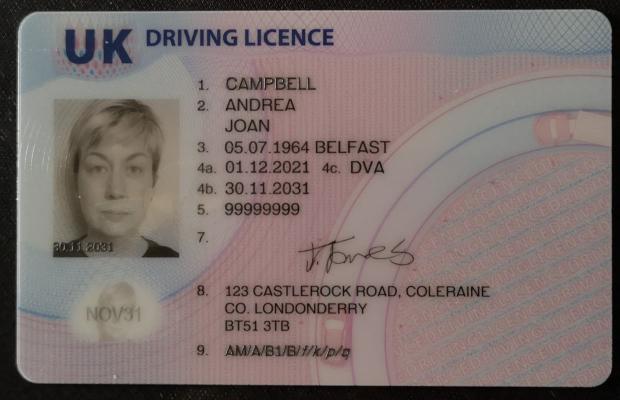
Front of the licence
Full
Provisional
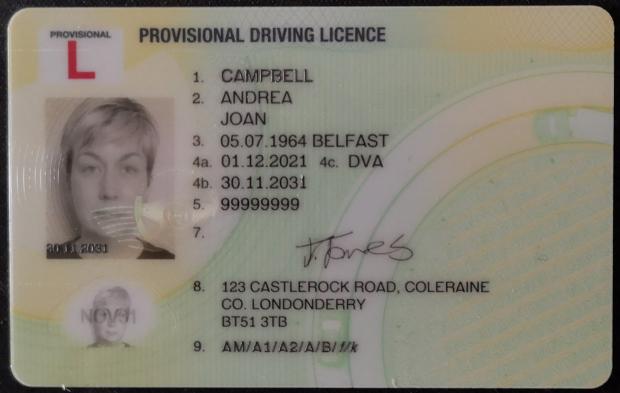
Your personal details (1, 2 and 3)
Fields 1, 2 and 3 of your photocard licence record your surname, first names, date and place of birth.
Date of licence issue (4a), expiry (4b), issuing authority (4)
The date shown in 4a is the date the photocard was issued. 4b shows the date the driving licence expires. The authority that issued the licence is shown in 4c. In Northern Ireland this is DVA.
Driver number (5)
Your unique eight digit NI driver number.
Holder’s photograph (6 – not numbered)
The new photocard licence has a black and white photo. This is because the laser technology used to burn the image onto the card producing a black and white photo is more secure. You will still need to give a colour photo with your application to be stored on your driver record.
Holder’s signature (7)
This is digitally reproduced and burned into the photocard from the signature you gave on the application form.
Holder’s address (8)
This shows your permanent address in Northern Ireland.
Entitlement categories (9)
The letters in capitals show the categories of entitlement covered by the European Community Directive. National categories are shown in smaller letters.
Back of the licence
Full
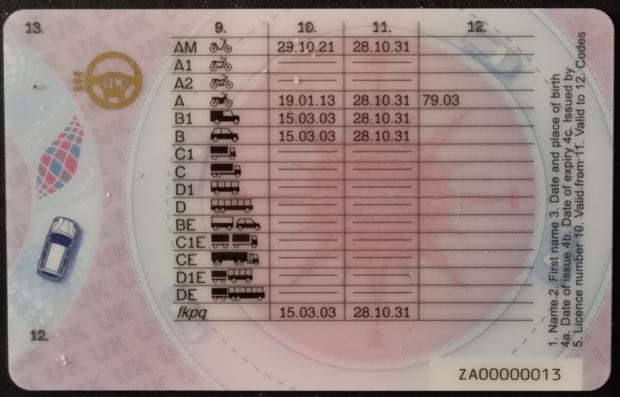
Provisional
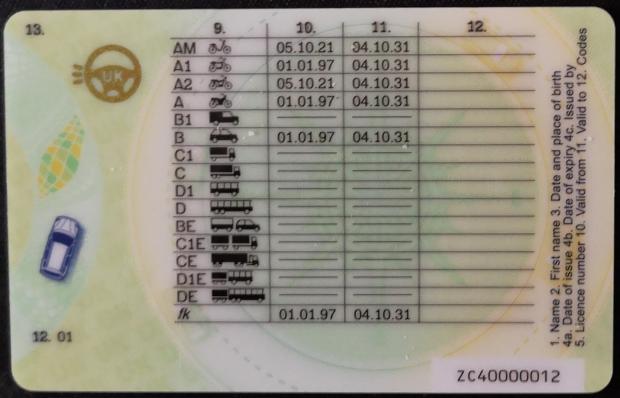
Pictogram entitlement categories (9)
These pictures are representations of types of vehicles in those categories shown. Further information on the vehicles you are entitled to drive
Valid from (10)
The earliest date from which a driving category is valid from.
Valid to (11)
The date until which a driving category is valid to.
Information codes/ restrictions (12)
The code numbers printed in this area show what, if any, restrictions there are. To see what these mean, go to:
Not used (13)
Other security features
The driving licence also has tactile (raised) surfaces, tactile engraved text, changing colours, as well as complex background designs.
Previously issued NI photocard driving licence
Photocard driving licences have been issued since 1 April 1999.
All licence types stay valid until their date of expiry shown at section 4b.
Differences between NI and GB licences
Changes made to the format of the Great Britain driving licences on 8 June 2015 have no affect on licences from the Driver & Vehicle Agency (DVA) in NI.
NI licences are still made up of two parts, a plastic photocard and paper part which is known as the paper counterpart.
What are graduated driving licences?
In this guide, we explain what a graduated licence is, and whether they will be introduced on UK roads.
Are graduated driving licences coming in?
There has been much talk over the years about introducing a graduated driver licensing scheme to help reduce the number of people who are killed or seriously injured in collisions on the UK’s roads involving young drivers.
What is a graduated driving licence?
Graduated driver licensing would put a set of restrictions on new drivers who have recently passed their practical test for an initial period of time.
Government statistics from 2023 show that a quarter of fatalities from collisions involving a car driver involve at least one young driver – with 1,417 young UK drivers sustaining serious or fatal injuries each year. In total, 4,959 people were killed or seriously injured in 2023 as a result of collisions involving young drivers.
What could be restricted under a UK graduated driving licence?
While as of October 2024 there are no specific plans that have yet been tabled by the Government, future possible restrictions could centre on:
- a minimum learning period – learners required to undergo a minimum learning period before being able to take the practical test
- a limit on how many passengers new drivers can carry
- driving curfews – restricting new drivers from roads during certain times, most likely late at night
- lower drink-drive limits – a reduction in the legal alcohol limit for driving or zero alcohol
- speed limits – new drivers restricted to slower speeds
- engine sizes – limits on driving powerful vehicles
- mandatory use of ‘P’ plates – for a set period of time after passing the test
Restricted drivers
After passing the driving test for a motor car or a motorcycle, you must display amber R plates for a period of one year from the date of passing the test.
The plates must conform to legal specifications and must be clearly visible to others from in front of the vehicle and from behind. Plates should be removed or covered when not being driven by a restricted driver.
The maximum permitted speed for a motor car or category A1 motorcycle displaying R plates is 45 mph (72km/h), whether or not the vehicle is being driven by a restricted driver. The speed restriction does not apply to A2 or A motorcycles, although R plates must be displayed for the first year after passing the test.
- How to change your driving licence address
- How much does a provisional driving licence cost?
- Lost driving licence – how to get a replacement
What stage is the graduated driving licence at?
In February 2018, Prime Minister Theresa May tasked the Department for Transport (DfT) with investigating the possibility of a graduated licensing scheme.
She was responding to questions posed from the opposition bench during Prime Minister’s Questions as to whether an initiative would be considered to help curb the number of accidents.
In Northern Ireland the Road Traffic (Amendment) Act (NI) 2016 made graduated driving licensing possible but a scheme has yet to be launched.
While not related to graduated driver licensing, in June 2018 learner drivers were granted permission to have lessons on Britain’s motorways, something which the RAC was very supportive of.
In October 2020 the Department for Transport announced that plans to introduce a graduated driver licensing scheme had been dropped.
In June 2024, the RAC voiced its support for a parliamentary bill, entitled the Motor Vehicles (Driving Licences) (New Drivers) Bill, put forward by MP Kim Leadbeater under the so-called 10-minute rule. While the bill was well supported by MPs, it didn’t progress as it ran out of parliamentary time due to the General Election being called.
Since then, the issue has been kept in the news by the work of campaigners and the RAC Foundation motoring research charity. As a result, it is hoped graduated driver licensing will feature in the new Government’s forthcoming Road Safety Strategy.
Where else uses a graduated driving licence?
Drivers in the US, Ireland, Australia and New Zealand are already subject to the rules of their own graduated licensing schemes.
Novice drivers in the Republic of Ireland undergo a two-year period of probation, with ‘N’ plates a necessity throughout, and are also subject to lower drink-drive limits than more experienced road users.
In Australia, new drivers are not permitted to drive between certain hours at night. They also face limitations on the number of passengers they are allowed to carry. As of 2021 every state in America has some form of graduated driver licensing in place.
Could a graduated driving licence affect my car insurance?
With the possible restrictions a graduated driving licence would impose, it is natural to think that these may affect a car insurance policy, but there is currently no evidence to suggest that this would affect how much drivers pay for insurance. Due to the increased risk young drivers pose, insurers often already charge them far higher premiums than older more experienced drivers.
It should also be noted that black box car insurance currently monitors how well you drive, including the speed a vehicle travels on each journey. These policies are popular with new drivers as they can help to lower the premiums they pay.
- Motorbike licences – what bike can you ride?
- Are old paper driving licences still valid?
- Driving licence codes and categories explained
What does the RAC say about graduated driving licences?
The RAC believes a form of graduated driving licensing featuring a minimum supervised learning period and restrictions on the number of young passengers permitted in the car, could help save lives on the country’s roads.
Motorists surveyed for the RAC Report on Motoring also believe restrictions could have a positive impact on new drivers as the costs of their car insurance might fall as a result.
The RAC believes evidence from other countries where some form of graduated driver licensing is used shows it is successful in reducing the number of collisions involving young drivers.